
Think People With Disabilities Can’t Live Independently? Think Again—5 Inspiring Stories
Some people think adults with additional needs can’t live independently. That’s not true. Independence looks different for everyone, and with the right support, people can live full, happy lives in their communities.
At Ategi, we support adults across England and Wales through Shared Lives, Supported Living, and Community Support services. Here are five strategies to support people with additional needs live more independently.
1. Getting the Right Support Makes Independence Possible
Independence doesn’t mean doing everything alone. It means having the right support to live your life the way you want.
In the UK, support can include:
- Shared Lives - moving into a family style home with a Shared Lives carer (short break options available as well)
- Supported Living - where staff or support workers help with daily tasks and support you living in your own home
- Community Support - for things out in the community like shopping, appointments, or social activities
Everyone’s needs are different, so support is tailored to the person. Some people start with a lot of support and gradually take on more as they gain confidence.
Take Gina, for example. When she first began with Ategi’s Community Support, leaving the house felt overwhelming. She often relied on others to do her shopping and felt anxious about seeing people. Even simple things like managing bills and keeping appointments were stressful.
With consistent, step-by-step support from her support worker, Gina gradually built her confidence. She started going out with staff and a friend, managed her bills with guidance, and now enjoys being part of her community—something she never thought possible. She even says:
“The staff are so funny and they cheer me up when I’m feeling down.”
Gina’s journey shows that with the right support, patience, and encouragement, people can grow in confidence and independence at their own pace.
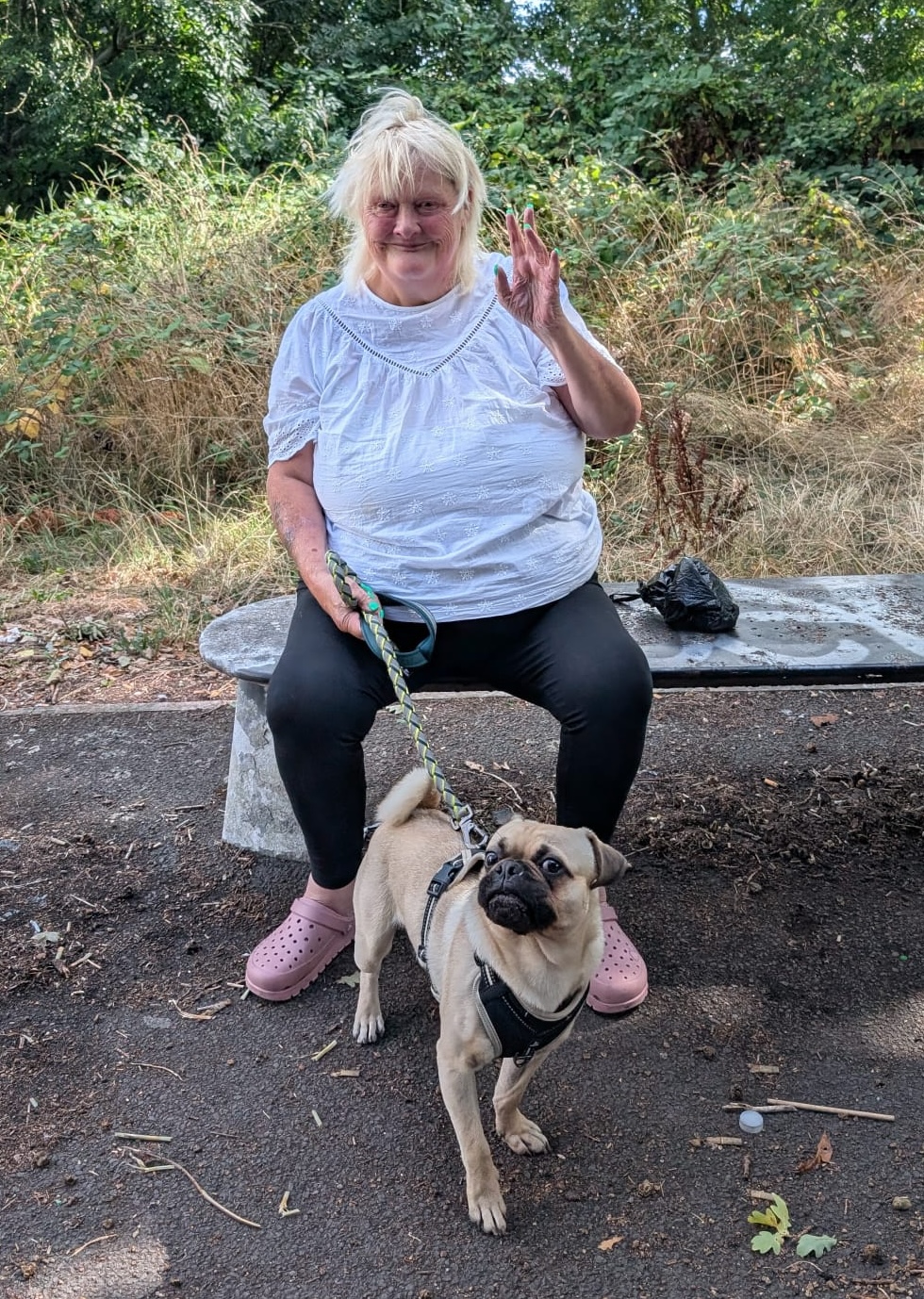
Gina and her dog Rocky.
Would you like to find out more about Gina and how Community Support helped her grow in confidence?

Mohiz with his Shared Lives family.
Would you like to read more about Mohiz and his Shared Lives family?
2. Learning Everyday Skills Helps People Thrive
Cooking, cleaning, budgeting, and getting around town are all important skills for independent living. Learning these skills step by step helps people gain confidence and take more control over their lives.
At Ategi, we support people to build these skills in practical, hands-on ways. Even small achievements—like preparing a meal, keeping a room tidy, or managing money for a week—can make a big difference.
Take Mohiz, for example. For the past five years, he has been part of Unazia and her family’s Shared Lives home in Slough. What started as a supportive arrangement has grown into a deep, family-like bond that has transformed Mohiz’s life.
Over time, Mohiz has learned essential life skills: he prepares his own lunch, maintains his room, and follows a hygiene routine independently. Unazia explains:
“My husband and kids are very attached to him. They talk to him, involve him in everyday activities, and encourage him to learn new things.”
Mohiz has also built strong relationships within the household. He spends time with Unazia’s husband—grocery shopping, visiting friends, and even chatting with family friends on the phone. “He’s part of our family,” Unazia says.
His interests and confidence have grown too. From an early fascination with household machinery to enjoying cartoons, college life, and making new friends, Mohiz is thriving academically, especially in English and maths.
Mohiz’s journey shows that learning everyday skills isn’t just about practical tasks—it’s about creating meaningful connections, feeling part of a community, and growing in confidence.
3. Making Decisions and Speaking Up
Independence isn’t just about doing things on your own—it’s also about making choices and having a say in your life.
People we support are encouraged to:
- Choose what they do each day
- Decide where they want to live
- Speak up about what they need or want
Having a voice helps people feel in control and proud of their achievements.
Take Clare, for example. At 31, she loves anime and cosplay, volunteers in a charity shop, enjoys crafts, and travels to visit her girlfriend in the Netherlands. Clare’s Shared Lives home has given her the freedom and confidence to explore her passions and make her own choices.
Before Shared Lives, Clare found life much harder. She struggled with understanding money, managing routines, and felt limited in what she could do. Moving into her current Shared Lives placement with carers Reetesh and Deepa, and living alongside another person supported, Sophie, changed everything. Clare says:
“It has been amazing. I’ve managed to spread my wings and explore new things, like learning to cook, getting more organised, and being more independent.”
Her home life is a balance of responsibilities and fun. Shared Lives gives Clare the space to make her own choices and the confidence to take on challenges—from decluttering her room to growing pumpkins in the garden. As Clare puts it:
“Shared Lives is like stepping into a magical forest where your wishes come true. It’s not about what people fear – it’s about family, laughter, and confidence.”
Her story shows that with encouragement, support, and the ability to make decisions, people can gain independence and feel proud of what they achieve every day.

Clare working as one of Ategi's Shared Lives champions with fellow champion, Dean.
Inspired by Clare's story and how Shared Lives helped her overcome some of her struggles?
4. Building a Support Network
Having a network of people you can rely on is key to independence. Family, friends, support workers, and community connections all help people feel safe, confident, and able to try new things.
Take Kam, for example. He has learning disabilities, Down’s syndrome, and dementia, and for more than 25 years he has been part of Shared Lives in Central Bedfordshire. Kam is supported by two Shared Lives carers who have been constants in his life: Dyan, his full-time Shared Lives carer, and Helen, who provides regular short breaks. Together, they form a small community around Kam that gives him stability, warmth, and opportunities to enjoy the things he loves.
Kam’s days are full of joyful experiences—from celebrating birthdays in style to community holidays at Centre Parcs, and creative projects at home. Dyan and Helen adapt their support as Kam’s needs change, helping him stay connected to people and activities that enrich his life.
Kam’s story shows that a long-term, person-centred support network doesn’t just provide care—it helps people live full, meaningful lives, explore new opportunities, and grow in confidence.
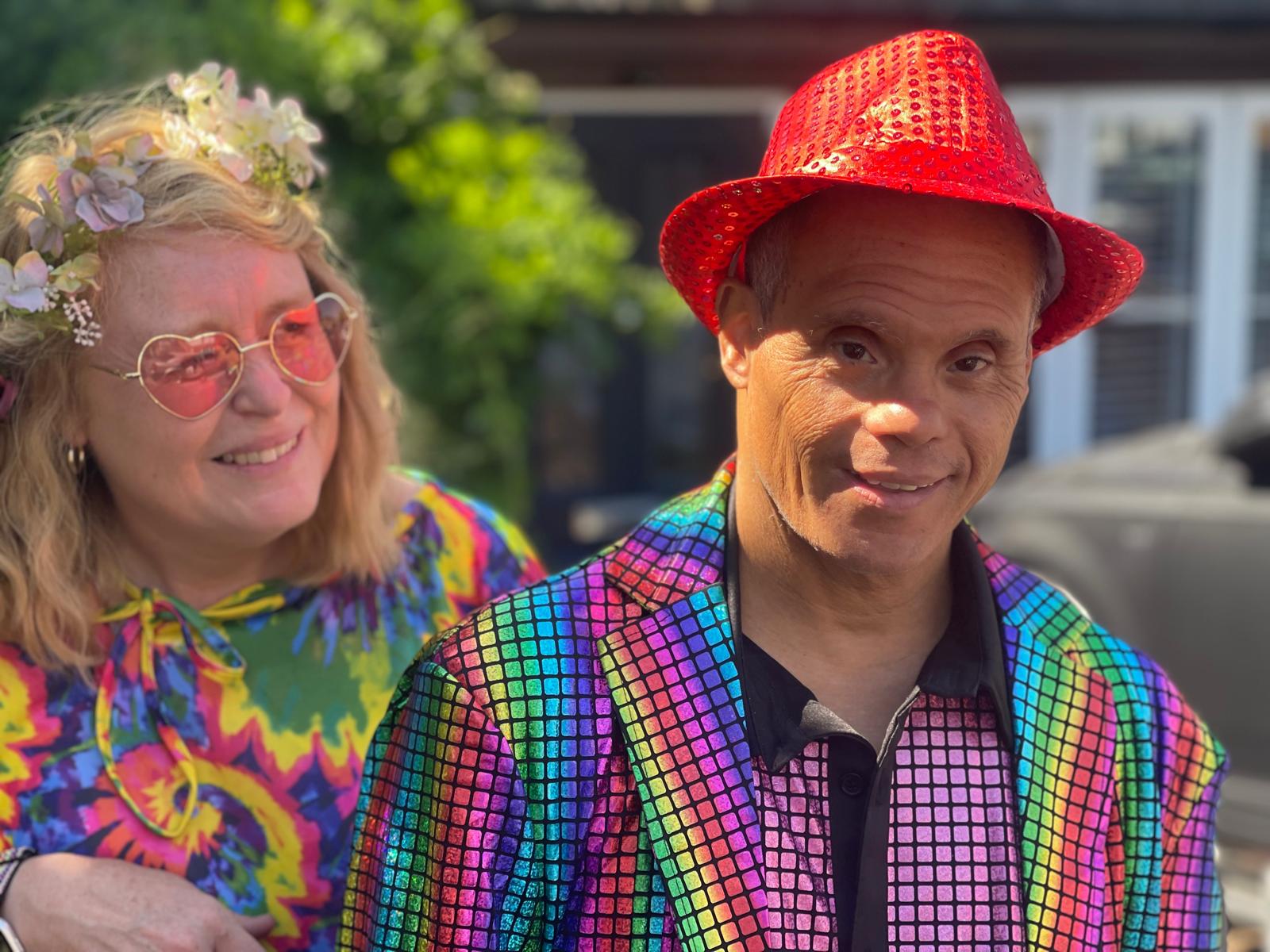
Kam with one of his Shared Lives carers at a Abba Voyage.
Interested in hearing more about the incredible support network Kam has built through Shared Lives?

Thomas out and about with his support worker.
Would you like to find out more about Thomas's journey from children's services is adult social care?
5. Moving Toward Independence at Your Own Pace
Independence is a journey, and it happens step by step. Everyone moves forward at their own pace, within the support that works best for them.
Take Thomas, for example. At 19, his life had been very unsettled, and he spent six months without any support during a transition from children’s services to adult care. When he joined Ategi just over a year ago, he was anxious, isolated, and struggling to navigate everyday life.
Thomas’s early days with Ategi were challenging. He didn’t always understand risks and needed constant supervision for his safety. His support worker, Jayne, explains:
“It wasn’t about control. It was about keeping him safe while building trust.”
The turning point came with consistent routines and creative activities. Small steps, like regular trips to McDonald’s to learn to sit calmly, gave Thomas predictability. Outdoor adventures like beach trips and cycling became his “happy places.” Over time, he started communicating more, even surprising everyone by saying “Mum” for the first time in years.
Ategi’s person-centred approach made all the difference:
- Safety through partnership: Using a 2:1 support ratio and equipment to keep him safe while respecting his dignity.
- Learning from mistakes: Adjusting activities that didn’t work and finding alternatives.
- Family collaboration: Regular updates with Thomas’s mum to stay aligned on his needs and progress.
Today, Thomas is calmer, happier, and exploring new hobbies at his own pace. Whether it’s swimming, art, or music, he’s building confidence and independence one small achievement at a time. Jayne sums it up:
“Consistency is key. When he knows what to expect, he flourishes.”
Thomas’s story shows that independence isn’t about rushing. It’s about understanding needs, celebrating every step, and giving people the support to thrive at a pace that works for them.
The idea that people with disabilities can’t live independently is a myth. With the right support, skill-building, strong relationships, and encouragement, adults with learning disabilities, autism, mental health conditions, and other needs can live independent, fulfilling lives—one step at a time.
At Ategi, we believe everyone deserves the chance to live life on their terms. If you’d like to know more about Shared Lives, Supported Living, or Community Support, contact us today and see how independence is possible.
Find out if Ategi can support you or your family member here
Related information


About the author
Ategi comms
This post was written by the Ategi comms team.