
Rethinking Social Care: Local Solutions Like Shared Lives
Shared Lives is one of social care’s best-kept secrets. Despite transforming lives across the UK, many people have never heard of it.
That’s something we’re working to change.
Recently, Ategi met with Neil Coyle, MP for Bermondsey, alongside Shared Lives carers and the people they support, to highlight the impact of this unique approach in Southwark. What emerged from that conversation was clear: Shared Lives has the power to change lives—but far more people could benefit if awareness and access were greater.
At a time when social care is under increasing pressure, there is a growing need for solutions that are more personal, more connected, and rooted in communities. Shared Lives offers exactly that.
Care that feels like family
Shared Lives is a simple but powerful model. It brings people who need support into the homes of approved carers, where they are supported as part of family life.
Instead of moving into institutional settings, people are able to build real relationships, gain independence, and remain connected to their communities.
Shared Lives supports adults with additional needs, including people with learning disabilities, autism, or mental health needs, to live more independently as part of a family or community setting.
It’s often described as a bit like fostering—but for adults. Shared Lives carers open their homes and lives to support someone in a way that is tailored to them. This is a paid role, and there are different ways to get involved, from full-time arrangements where someone lives with you, to short breaks or day support.
Every Shared Lives arrangement is unique. People are carefully matched based on their personalities, interests and lifestyles, helping to build genuine, lasting relationships.
Shared Lives schemes exist across the UK—but despite this, many people are still unaware of the opportunity to either benefit from, or become part of, this model of care.
For Vicky, this has meant staying with the family she has always known.
When Vicky was eight years old, she moved into foster care with Lynne and her family. Over time, those relationships became permanent. Now, as an adult, Vicky continues to live as part of that same family through Shared Lives, supported by Holly.
“She’s like one of the family,” says Holly.
“We’ve put in place, God forbid anything happens to my mum, then I’ve done the training, then Vicky won’t leave the family… there’ll be no change for her.”
For Lynne, the relationship has always been simple and profound:
“She called me mum.”
Shared Lives has meant there has been no disruption, no move into an unfamiliar setting—just continuity, stability, and belonging. Vicky is an active part of family life: helping around the house, volunteering at her local food bank, and spending time in her community.
Her story shows what’s possible when care is built around relationships, not just services.
Read more about Holly and Vicky here
Long-term relationships that change lives
During the visit, Neil Coyle met Lorna, a Shared Lives carer, and Miriam, who she has supported for over 10 years.
Lorna previously worked as a care home manager and brings a wealth of experience from her time in social care. While she no longer works in that role, her background highlights how Shared Lives can complement professional experience—and how people with experience in care can continue to make a difference in a more personal, relationship-based way.
Over the years, Lorna has supported multiple people, including Miriam, who continues to live with her, and Summa, who previously lived with Lorna as part of her Shared Lives journey. Supporting both Miriam and, at one time, Summa within the same household, Lorna has created a warm, stable environment where people are supported not just practically, but emotionally and socially.
When Summa came to live with Lorna after leaving foster care, she found many everyday tasks challenging and struggled with social interaction. With consistent support, encouragement and patience, Summa developed her independence—learning to cook, contribute to the household, and grow in confidence.
Her creativity flourished too. What began as pencil drawings developed into digital artwork, shared online and entered into competitions. Having gained confidence and independence, Summa has since moved on and is now preparing for a major milestone: going to university to study animation.
These are the kinds of outcomes that Shared Lives makes possible—not just care, but growth, confidence, and opportunity.
Watch a film about Lorna and Summa here
A model more people could be part of
Shared Lives carers come from all walks of life.
Reetesh, a psychiatric nurse and father of three young children, is one example. Alongside his wife, he supports two adults with learning disabilities in their home, balancing family life, a full-time NHS career, and Shared Lives.
“I’ve always enjoyed working with people with learning disabilities,” he explains. “It’s challenging, yes—but it’s also incredibly rewarding.”
What surprised him most was how natural it felt to welcome people into their home:
“I thought it might feel like an intrusion, but instead, it’s felt natural. They’re part of our family.”
Day-to-day life is built around encouragement and independence, not doing everything for people. And the rewards go both ways:
“We get so much back—laughter, connection, purpose. It’s rewarding for everyone.”
His story highlights an important message: many more people could become Shared Lives carers than might initially think it’s possible.
Unlocking more opportunities
Reflecting on the visit, Neil Coyle MP said:
“It’s nice to hear what Shared Lives is doing in Southwark. I hope to see more people getting involved and becoming Shared Lives carers. It’s great to hear about the positive outcomes for the people supported through this service. There are more people who could benefit from Shared Lives who don’t currently have access, and if I can help unlock some of those opportunities, I’m happy to help.”
His words highlight both the impact of Shared Lives—and the challenge ahead.
Too few people know about this model of care, and as a result, too many people who could benefit from it don’t yet have access.
A better future for social care
Shared Lives offers a different vision for social care—one that is more human, more flexible, and rooted in community.
It supports people to live independently, build meaningful relationships, and remain part of the places they call home. It also offers a rewarding and flexible opportunity for carers who want to make a real difference.
But for Shared Lives to reach its full potential, it needs to grow.
That starts with awareness.
Shared Lives is a paid, flexible role that can fit around different lifestyles, offering a unique opportunity to support someone in your community while becoming part of something genuinely life-changing.
Could Shared Lives be right for you?
Do you want to live in a welcoming home, with people who care about you and treat you like family?
With Shared Lives, you can have your own space in someone’s home and be supported to live the life you want.
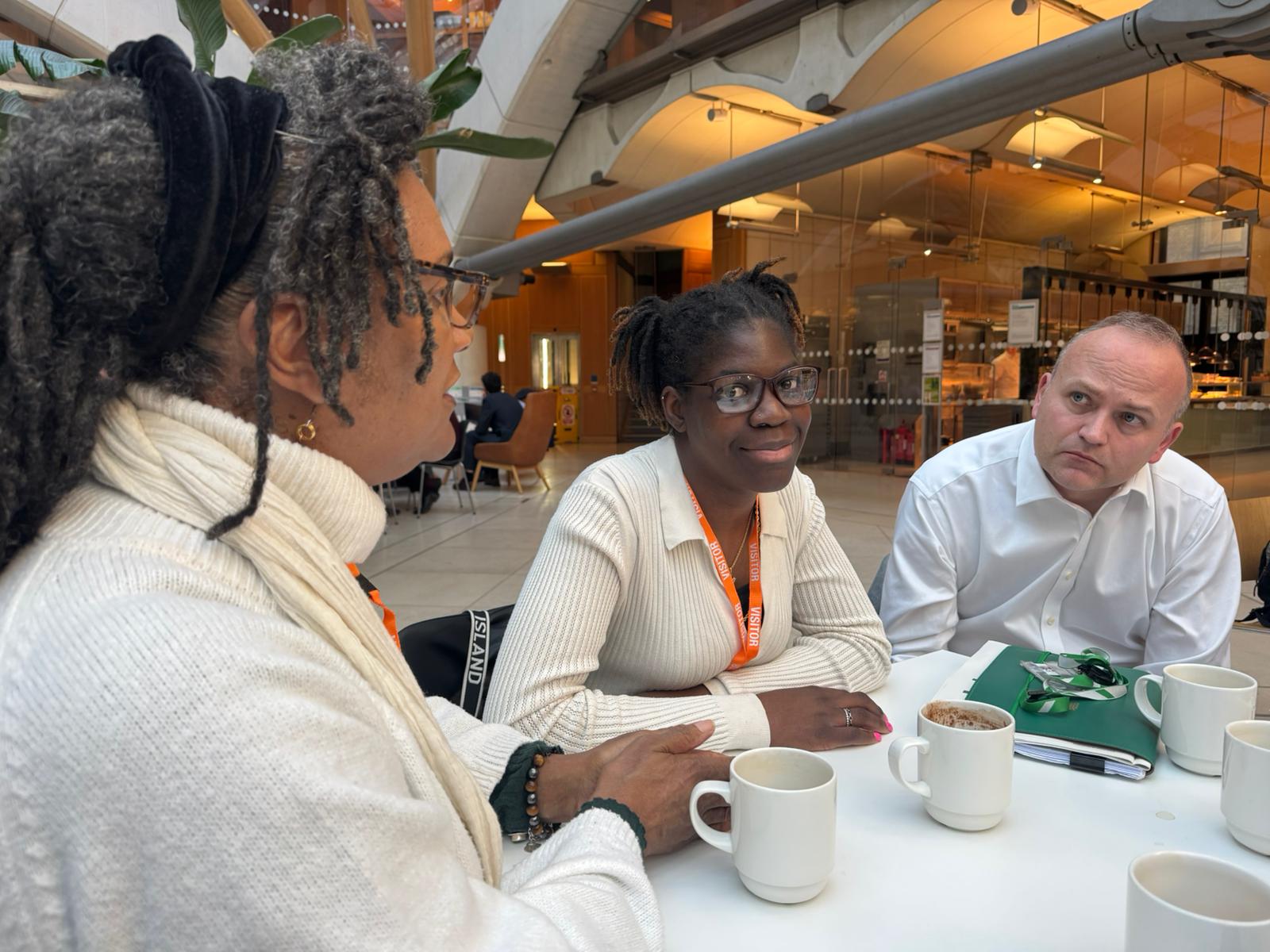
Neil Coyle, MP for Bermondsey and Old Southwark, talking to Shared Lives carer, Lorna and the lady she supports, Miriam at Westminster.
...There are more people who could benefit from Shared Lives who don’t currently have access, and if I can help unlock some of those opportunities, I’m happy to help.
- Neil Coyle, Labour MP for Bermondsey and Old Southwark
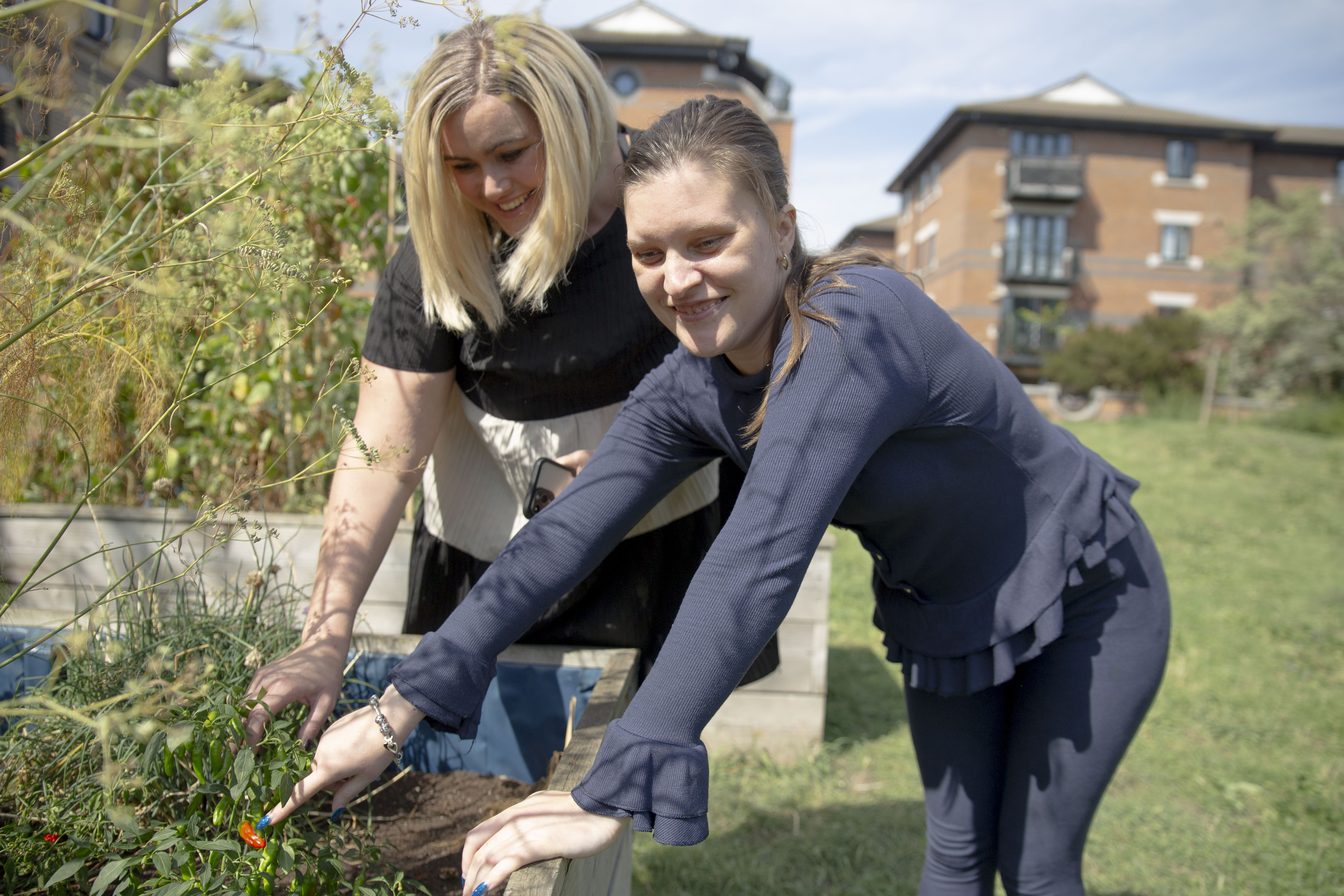
Vicky with her Shared Lives carer in Southwark, working on a community garden.
I thought it might feel like an intrusion, but instead, it’s felt natural. They’re part of our family.
Reetesh, Shared Lives carer.
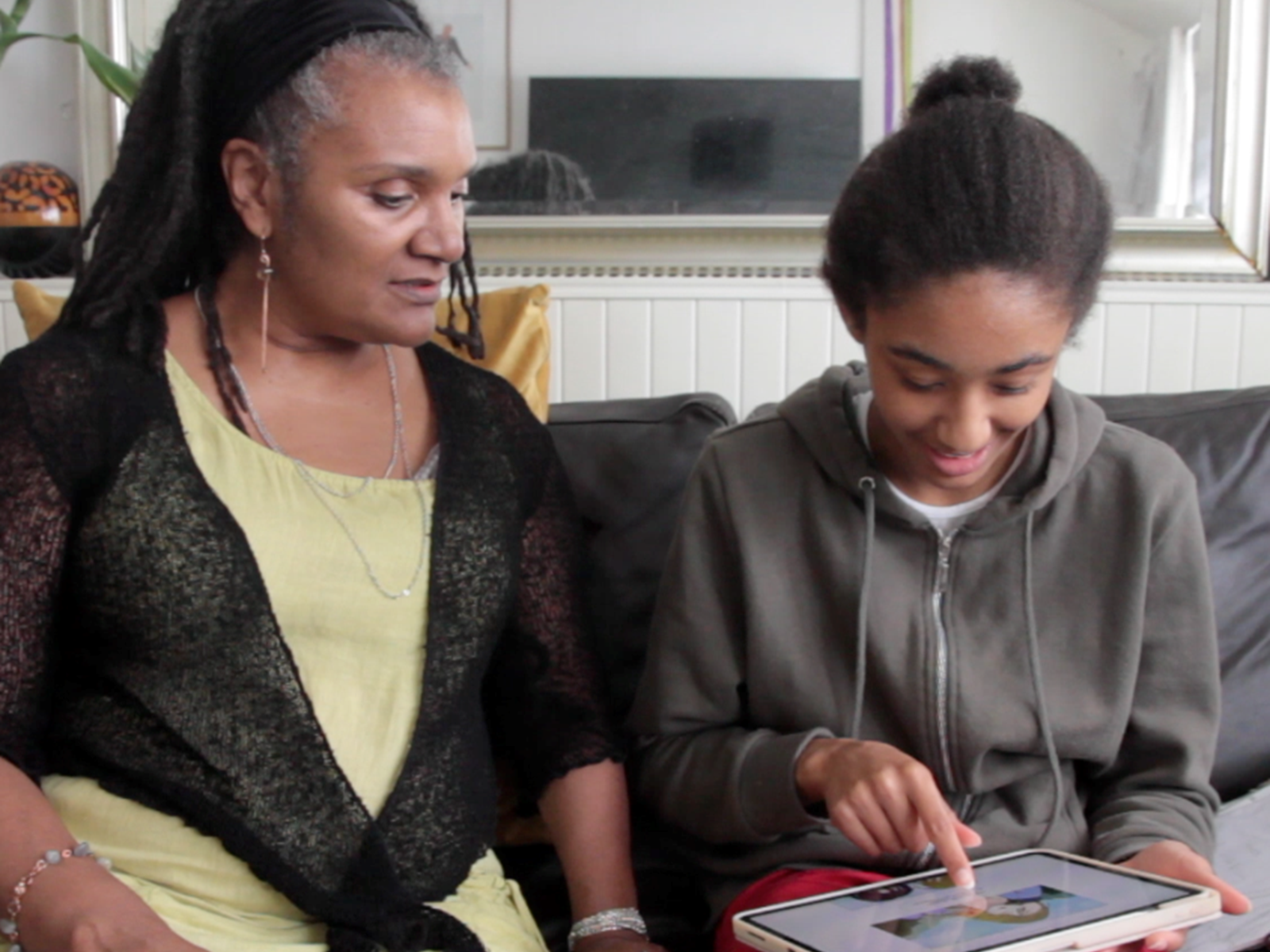
Shared Lives carer, Lorna with Summa who was previously supported by Shared Lives in Southwark.

Reetesh, full time mental health nurse and Shared Lives carer with the 2 women he supports.
Could you be a Shared Lives carer?
If you have a spare room, a caring heart, and the ability to offer someone a place to belong, you could become a Shared Lives carer.
Whether you live in Slough, South Gloucestershire, Cardiff, Slough, Southwark or Buckinghamshire, your home could be the place where someone finds the stability, companionship, and encouragement they need to build a brighter future.
Related information


About the author
Ategi comms
This post was written by the Ategi comms team.