
Shared Lives and Mental Health: Building Confidence, Stability, and Belonging
At Ategi, we’ve spent over three decades walking alongside people who need support to live full, meaningful lives. One of the most powerful tools we’ve seen in promoting good mental health is Shared Lives.
In a world where loneliness and isolation are growing public health concerns, and where people with additional needs often face compounded mental health challenges, Shared Lives offers something truly special: a home that nurtures not just the body, but the mind and soul.
Why Mental Health Matters in Care
Mental health is deeply intertwined with how we live our lives. For many people—especially those with learning disabilities, autism, or lived experience of trauma or mental ill-health—feeling safe, understood, and connected can be difficult. Traditional care settings, while necessary at times, often lack the emotional depth and continuity that so many people crave.
This is where Shared Lives stands out. It’s not just about providing accommodation or daily support—it’s about building relationships, fostering confidence, and creating environments where people can feel seen, heard, and supported every single day.
The Pillars of Good Mental Health in Shared Lives
Over the years, we’ve identified key elements within the Shared Lives model that directly contribute to positive mental health outcomes:
1. Companionship and Belonging
Humans are wired for connection. In Shared Lives, people are not placed in a service—they become part of a family. This sense of belonging has a profound effect on self-esteem, reducing feelings of loneliness and isolation.
Take Summa, for example. When she moved in with Lorna, she preferred the safety of her room to socialising. But over time, through shared meals, quiet chats, and encouragement, Summa began to feel comfortable enough to come downstairs—and eventually, to express herself through digital art. That companionship gave her the courage to grow.
2. Consistent, Person-Centred Support
When someone sees you every day, they begin to understand you—not just your routines, but your moods, your habits, and when something isn’t quite right. This consistency allows carers to notice early signs of distress or changes in behaviour and step in with support before things escalate.
For Mohiz, this kind of support was life-changing. Living with Unazia and her family, he developed a strong bond with her husband. Their daily interactions helped him build communication skills and confidence. Over several years Mohiz transformed from a shy young man into a talkative, independent person who now thrives at college and makes friends easily.
3. Safety Through Long-Term Relationships
Shared Lives arrangements can last months, years—or even a lifetime. This long-term stability creates a foundation of trust and safety that is essential for good mental health. Unlike short-term placements or institutional settings, Shared Lives offers continuity, which helps reduce anxiety and promotes emotional resilience.
4. Empowerment Through Personal Growth
Feeling capable and valued is central to good mental health. Shared Lives carers don’t just assist with daily tasks—they help people discover their strengths and passions. Whether it's cooking, drawing, animal care, or simply going for a walk together, these moments of success build confidence and purpose.
Hillie, supported by Hazel on a farm in Buckinghamshire, found her voice through travel, horse riding, and working at a school. With Hazel’s support, Hillie went from being quiet and withdrawn to confident, employed, and actively involved in her community.
Shared Lives Supports Everyone—Not Just Those with Additional Needs
While Shared Lives is often associated with supporting people with learning disabilities or autism, it’s important to remember that it’s a service open to anyone experiencing poor mental health. Whether someone is recovering from a breakdown, struggling with chronic loneliness, or adjusting to a new chapter in life, Shared Lives can offer the structure and emotional support needed to rebuild confidence and independence.
People can stay for as little as a few weeks or for many years—whatever is needed to help them regain their footing and move forward with strength.
- Every journey in Shared Lives is unique—but the themes are consistent:
- Improved mood and motivation
- Increased confidence and self-worth
- Stronger social connections
- Greater independence and resilience
These aren’t just outcomes—they’re transformations. They happen because of the small, everyday moments: a listening ear, a shared hobby, a gentle nudge towards trying something new, or simply knowing someone will be there tomorrow.
What Makes Shared Lives Different?
It’s not just a care model. It’s a way of life. It’s about seeing the whole person—not just their diagnosis or difficulties. It’s about offering warmth, understanding, and consistency. And above all, it’s about giving people the space to heal, grow, and thrive.
Would you like to be supported by Shared Lives?
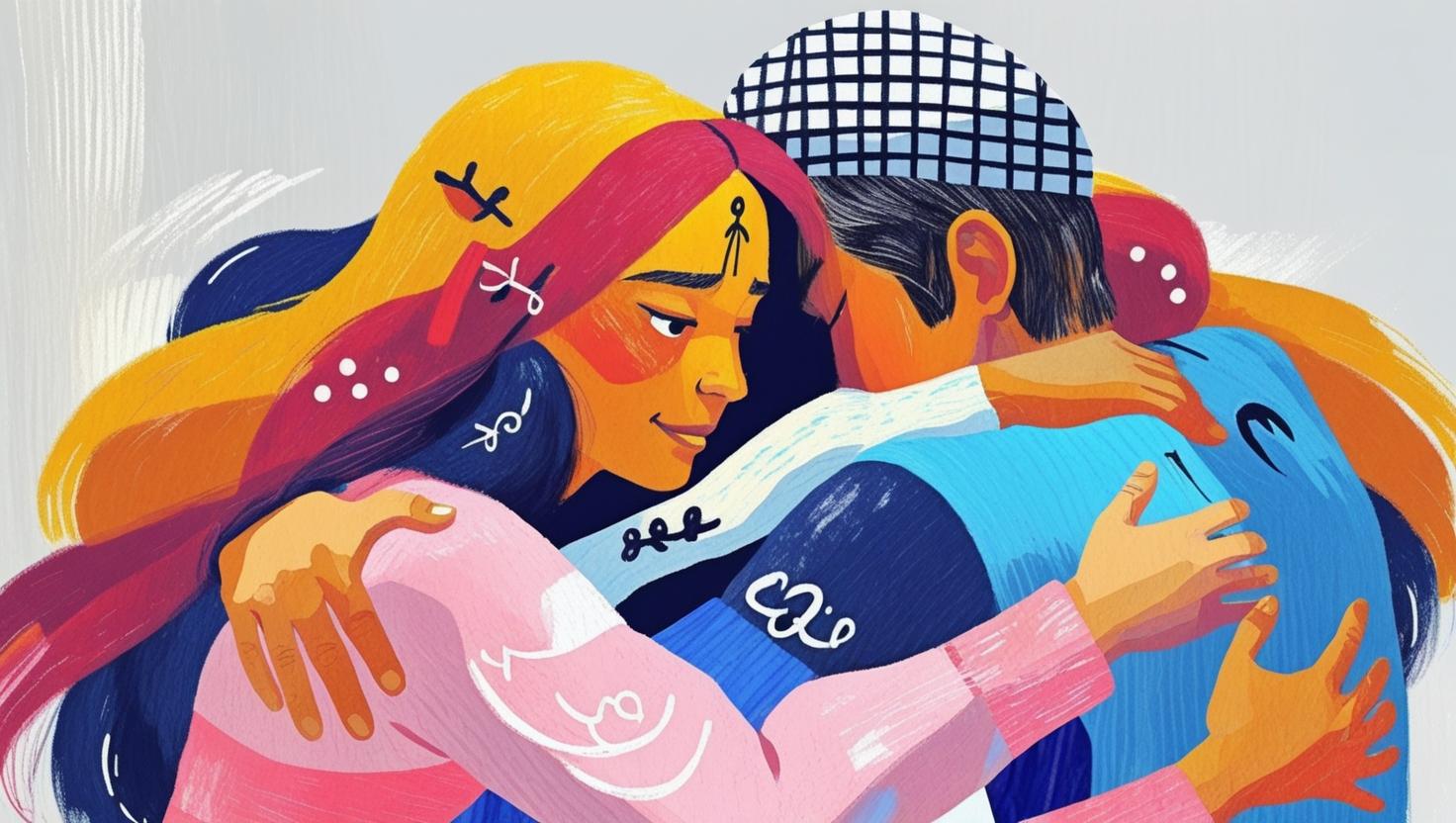
When someone sees you every day, they begin to understand you—not just your routines, but your moods, your habits, and when something isn’t quite right.
Want to Make a Difference in Someone’s Mental Health Journey?
If you have a spare room, a caring heart, and the ability to offer someone a place to belong, you could become a Shared Lives carer.
Whether you live in Slough, South Gloucestershire, Cardiff, Slough, Southwark or Buckinghamshire, we invite you to learn more about how you can provide vital support to someone in need. Your home could be the place where someone finds the stability, companionship, and encouragement they need to improve their mental health and build a brighter future.
Find out more about becoming a Shared Lives carer
Show your support for Ategi!
Related information


About the author
Ategi comms
This post was written by the Ategi comms team.